

Unhealthy plant-diets
According to the National Institute of Health and plant-based dietitians, research shows that an unhealthy and unbalanced plant-based diet can lead to vitamin deficiencies in essential vitamins such as Vitamin B12, Vitamin D, Iron, Zinc, Iodide, and Calcium (along with other possible deficiencies as well).

These vitamins and minerals play key roles in maintaining optimal health and overall well-being. The symptoms of these deficiencies can be extremely uncomfortable and potentially harmful to both the body and mind.  (source)
Clinics report that some common symptoms include low bone mineral density and osteoporosis, which can increase the risk of fractures and other skeletal issues. (source) Individuals may also experience muscle weakness and pain, hindering daily activities and overall quality of life. Fatigue is another prevalent complaint, often accompanied by signs of malaise such as brittle nails, hair loss, cold intolerance, dizziness, and pale skin. Other symptoms may include tongue swelling, headaches, shortness of breath, and heart palpitations. Digestive problems can also arise, leading to bowel complications and stomach issues. Additionally, visual and cognitive impairments may manifest, affecting one’s ability to focus or perform daily tasks effectively.(source)
In severe cases, deficiencies in iodide can lead to goiter and developmental issues like cretinism in young people who are still developing.
Mental health can also be significantly impacted; symptoms such as depression and an increase in mental illness symptoms may emerge as a result of nutrient deficiencies. (source)
In women, nutrient deficiencies can lead to complications with the menstrual cycle and fertility, potentially making it harder to conceive. (source)
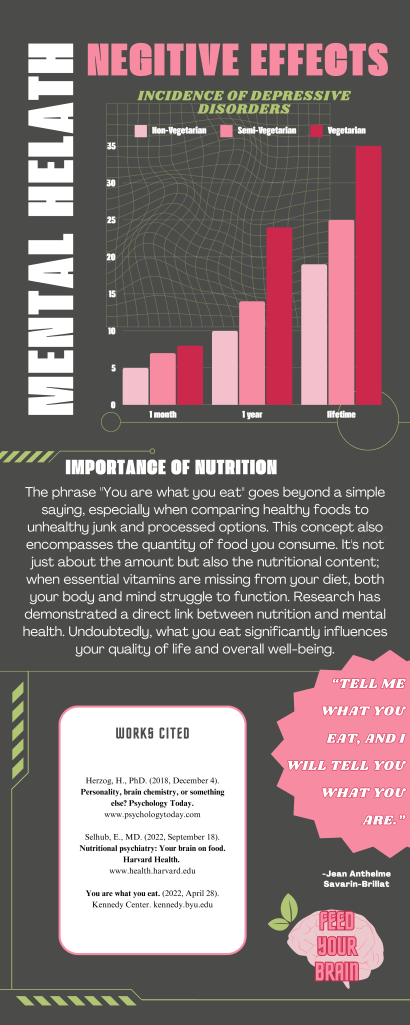
It is vital for individuals following a plant-based diet to pay close attention to their nutritional intake and consider supplementation and fortified foods where necessary to avoid these potentially serious health consequences.
Solutions
To maintain good health, it’s important to get all essential nutrients in your diet. For those on a plant-based diet, fortified foods are crucial as they fill nutritional gaps. Including these options ensures you get the necessary vitamins and minerals that may be missing from a strict plant diet. Adding nutrient-rich foods like nuts, seeds, leafy greens, and legumes can easily boost the nutrition of your meals and supports overall health, energy levels, and long-term benefits for anyone on a plant-based plan. (source)
Fortified Ingredients
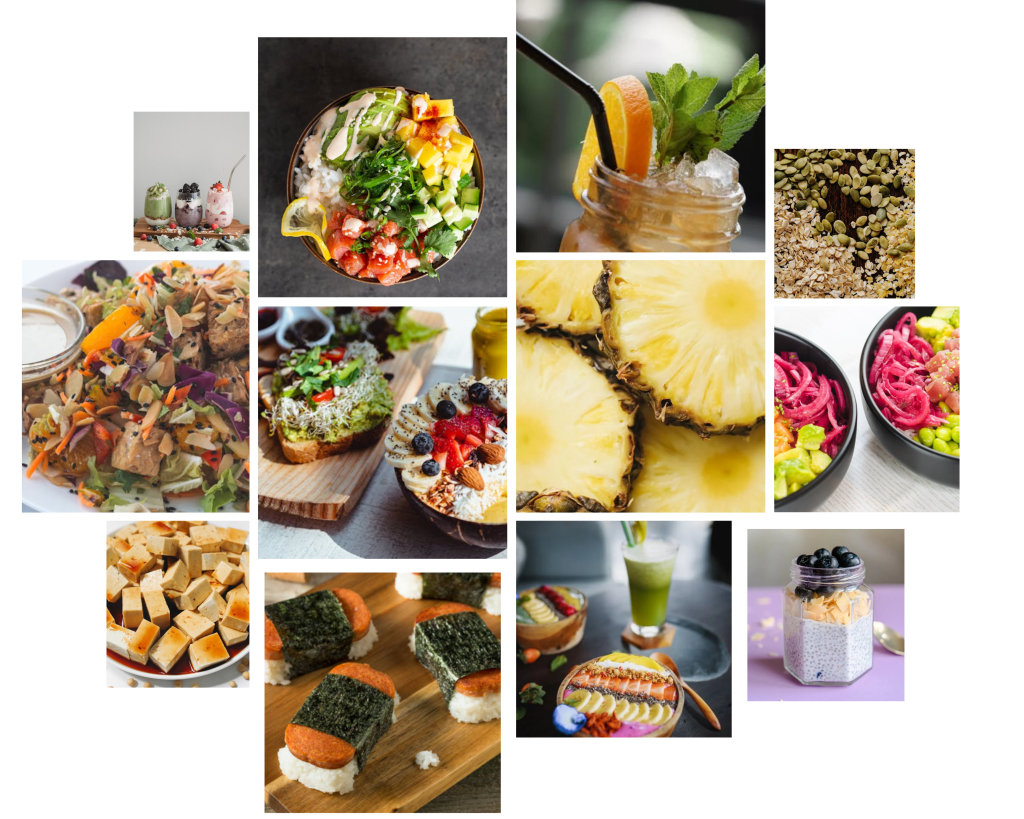
According to dietitians and an article from nhs.uk, some fortified foods and plant-based options include almond, coconut, soy, and rice milk as dairy alternatives, and orange juice for vitamin C. Vegan cereals are a convenient breakfast option, while yeast and meat substitutes provide protein. Raw mushrooms are versatile and rich in antioxidants, and tofu is a good protein source that absorbs flavors. Fruits like bananas offer potassium, and lentils provide fiber and protein. Nuts, especially cashews, and seeds like pumpkin, chia, and almonds supply healthy fats and nutrients. Seaweed adds iodine, and iodine salt supports thyroid function. Leafy greens like spinach have many vitamins, and broccoli is a nutritious cruciferous vegetable. Including a variety of these foods in our diets ensures we get essential nutrients for overall well-being. ( source )
Supplements
Supplements can help a plant-based diet meet nutritional needs by providing important nutrients that might be missing from not eating animal products. It’s essential to research proper supplement servings to make sure they support the diet without causing imbalances. With the right supplements, individuals on a plant-based diet can boost energy levels, enhance overall health, and have a more complete nutritional profile, allowing them to thrive sustainably.
Nutrition misconceptions
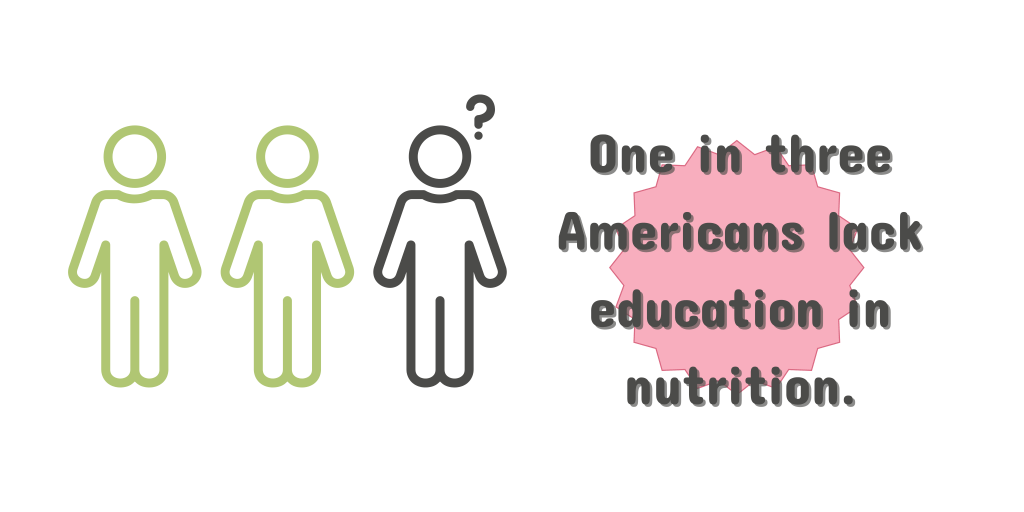
In 2020, Del Monte Foods, Inc. released the 2020 State of Healthy Eating in America Study. The study revealed that about one in three Americans confess they were never taught about nutrition, contributing to confusion around what it means to eat healthy. However, the study also revealed that while 70% of people feel like “the best version of themselves” when eating healthy.
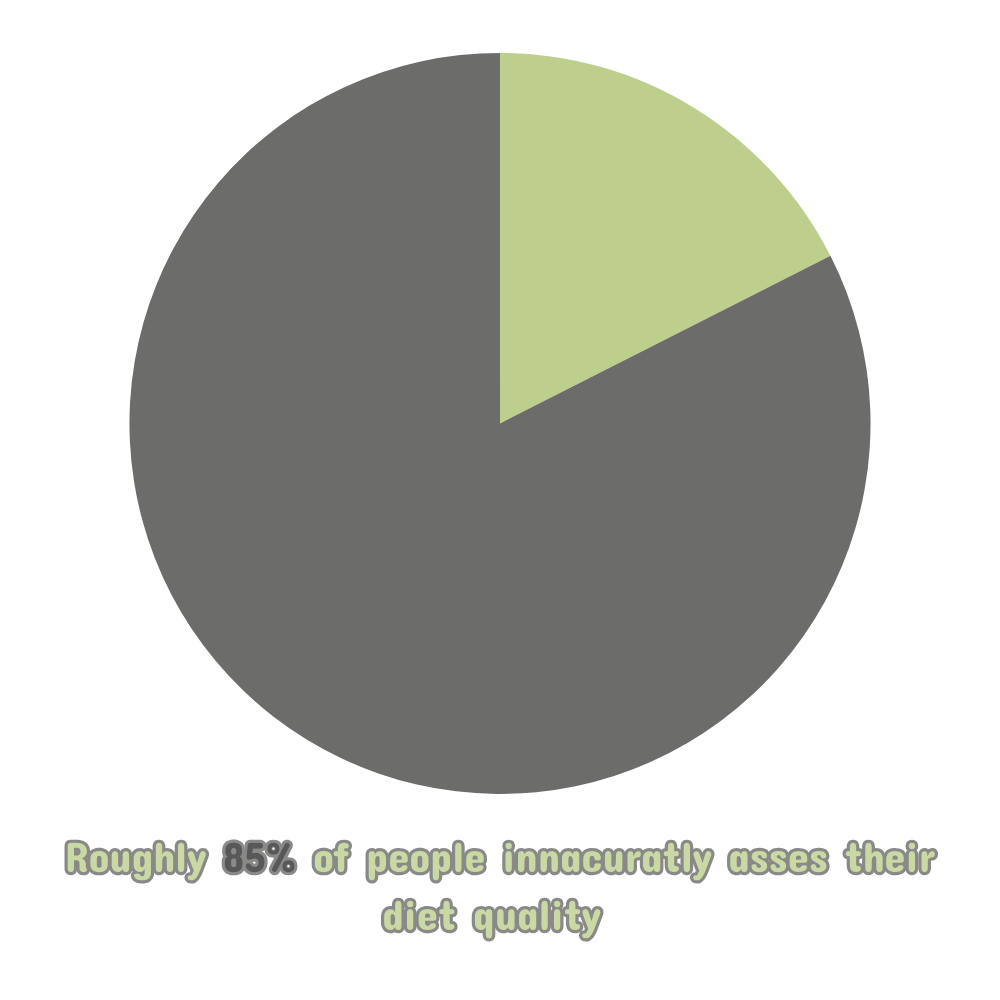
Another study, conducted in 2022 by the USDA Agricultural Research Service, asked over 9,700 people to rank their own diets. Out of these participants roughly 85% inaccurately assessed their diet quality. Of those, almost all overestimated the healthiness of their diet. While the proportion of participants who accurately assessed their diet quality only ranged from 1%-18%. (source)
Additionally, in 2022, MyFitnessPal shared results from its Nutrition IQ survey, uncovering that while 81% Americans claim to know nutrition basics, 91% of the general population says they don’t have any idea of how much protein, fiber, carbs, sugar and salt they consume daily. (source) Overall, results found that Americans’ nutritional knowledge is fairly elementary. While most people do know the basics of serving sizes, when it comes to actually identifying foods by nutritional value, they are far off. On average, individuals overestimate calories and protein, while underestimating carbs and fats.
 Lau Bistro